Understanding Glaucoma: Early Detection Saves Sight
Glaucoma is one of the leading causes of irreversible blindness in the UK, yet many people don't realise they have it until significant damage has occurred. The condition develops when fluid pressure inside the eye increases, damaging the optic nerve. What makes glaucoma particularly dangerous is that it typically progresses without noticeable symptoms in its early stages.
Why Early Detection Matters
The key to managing glaucoma effectively is catching it early. Once vision is lost to glaucoma, it cannot be restored, but treatment can slow or halt further progression. This is why regular eye tests are so important, especially if you're over 40, have a family history of glaucoma, or are from African or Caribbean descent, as these groups face higher risk.
Types of Glaucoma
Open-angle glaucoma is the most common form, developing gradually as eye pressure rises over time. Angle-closure glaucoma is rarer but more acute, causing sudden symptoms like eye pain, blurred vision, and halos around lights. Knowing the difference helps you understand your risk profile.
What to Expect During Testing
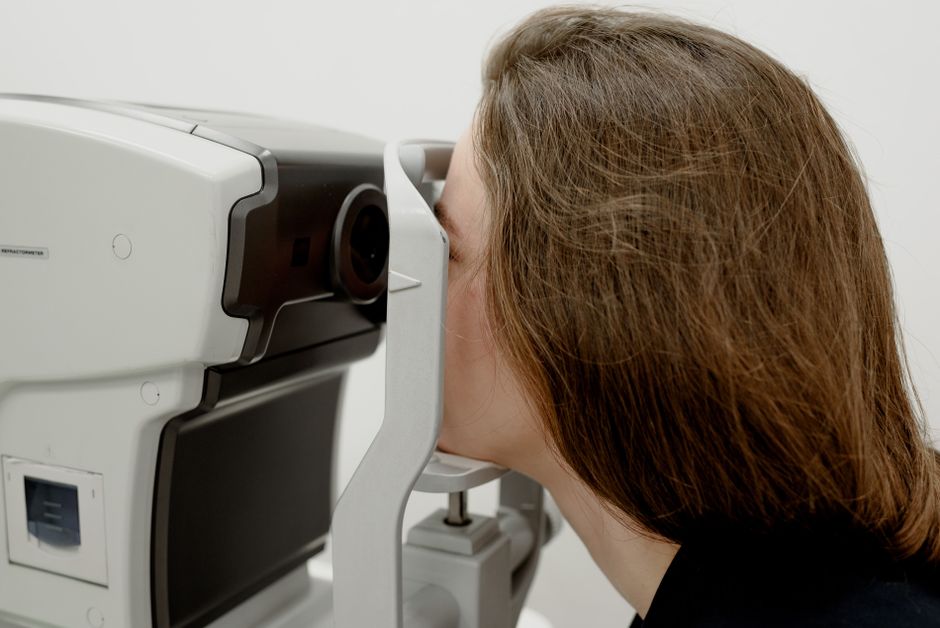
Modern glaucoma screening is straightforward and painless. Your optician will measure your eye pressure using tonometry, examine your optic nerve, and may perform visual field testing. These tests take just minutes but provide crucial information about your eye health.
Managing Your Risk
If you're diagnosed with glaucoma, don't panic. Treatment options include eye drops, laser therapy, or surgery, depending on your type and severity. Most people maintain good vision with appropriate treatment and regular monitoring. Lifestyle factors also play a role—maintaining healthy blood pressure and managing stress can help.
Getting Tested in Fife
The NHS recommends eye tests every two years for most adults, though you may need more frequent checks if you have risk factors. Book an appointment with your local optician today. Early detection truly is your best defence against vision loss from glaucoma.